
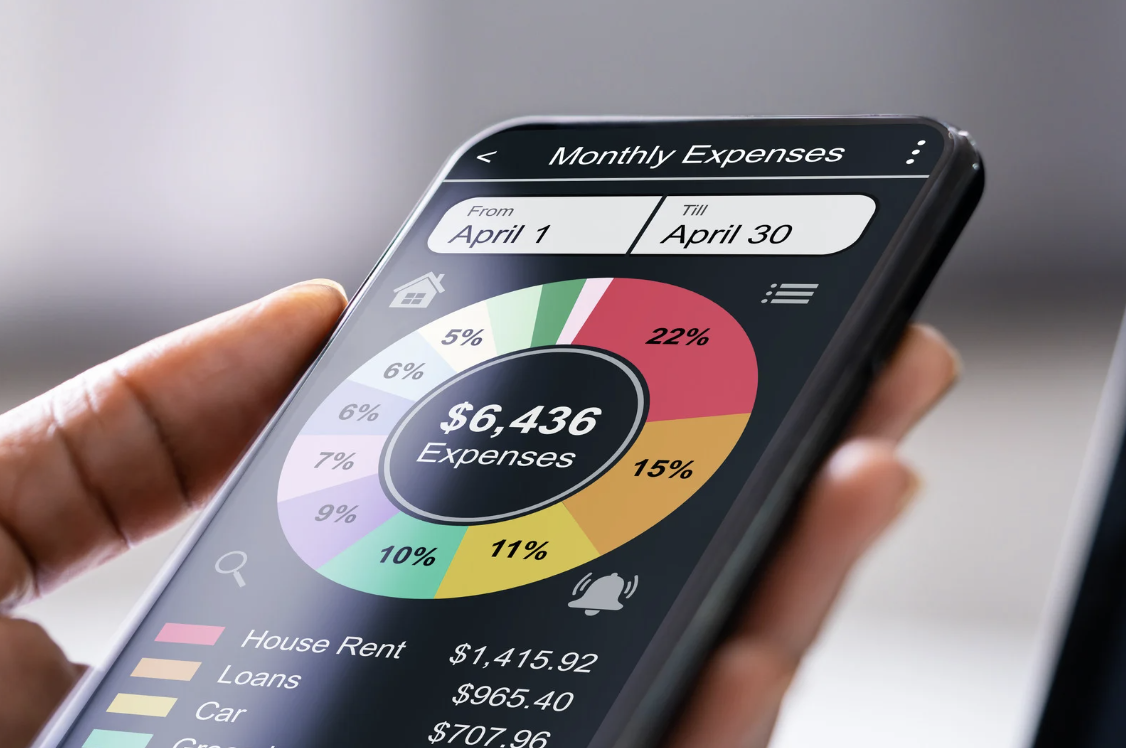
With a few taps, we can see our budgets, set goals, and monitor cash flow like a CFO. But as our smartphones fill up with “money wellness” tools and apps, scammers see an opportunity that’s growing faster than the average impulse-buy tab on Amazon.
Today’s fraudsters aren’t just after credit card numbers. They’re building convincing knockoff financial apps designed to harvest your personal information and drain your bank account with your full, unknowing cooperation.
The Boom in Budgeting Apps and Scams
The popularity of personal finance and budgeting tools has exploded over the past decade. Consumers love them for good reason: automated savings, smart categorization, visual dashboards, and reminders when we go a little overboard on takeout sushi.
Hackers love them for another reason—they’re the perfect place to ask for sensitive data.
A fraudulent “wellness” app may look sleek, modern, and trustworthy. But behind the pastel color palette and friendly pie charts lies malicious code designed to capture your full name, email address, bank logins, phone number, income details, passwords, and security answers. You get the picture.
Once that info is captured, scammers can create synthetic identities, access accounts, apply for loans, or sell your data on the dark web.
How Fake Finance Apps Trick Even Smart Users
Fraudulent apps have gotten extremely convincing. Here’s how cybercriminals pull it off:
- Brand Mimicry: They copy the design, colors, and user experience of legitimate apps—sometimes pixel-for-pixel.
- High App Store Ratings: Through fake reviews and bots, these apps rack up five-star ratings that look authentic at a glance.
- Aggressive Social Ads: Scam apps often run well-targeted social media ads that feel helpful, trustworthy, and downright irresistible—especially during high-stress financial seasons like back-to-school or the holidays.
- False Bank Partnerships: They may claim to integrate with major banks or fintech companies, but have zero legitimate authentication behind the scenes.
Red Flags Before You Download
Not all finance apps are created equal. Before you plug in your personal info, use this quick consumer checklist:
- Check the developer name. Does it match the official company?
- Read app reviews beyond the five-star cluster. Look for patterns mentioning glitches, login issues, or missing customer support.
- Browse the company website. Legitimate apps have real contact info and full privacy policies.
- Be skeptical of “instant sync” with your bank. Only verified apps use secure API integrations.
- Watch out for permissions creep. If a budgeting app wants your location, contacts, or camera access, ask why, or deny it.
Safeguarding Your Wallet in the App Store Era
These fraudulent apps aren’t going anywhere, but staying vigilant can keep your information—and your money—safer. When in doubt, stick to well-reviewed apps created by new institutions. And remember: your personal data is valuable. Treat it like cash.
If you do fall victim to a fake app, identity restoration services can help contain the damage quickly and guide you through the cleanup process—so you can get back to budgeting for things you actually want.
With LibertyID’s Proactive Detection, including continuous monitoring and instant alerts, you can act quickly to stop identity theft or fraud before it causes serious damage. But when identity theft strikes, people need more than a solution—they need someone they can trust. LibertyID delivers “peace of mind restoration” with every call, helping clients move from stress to strength.