
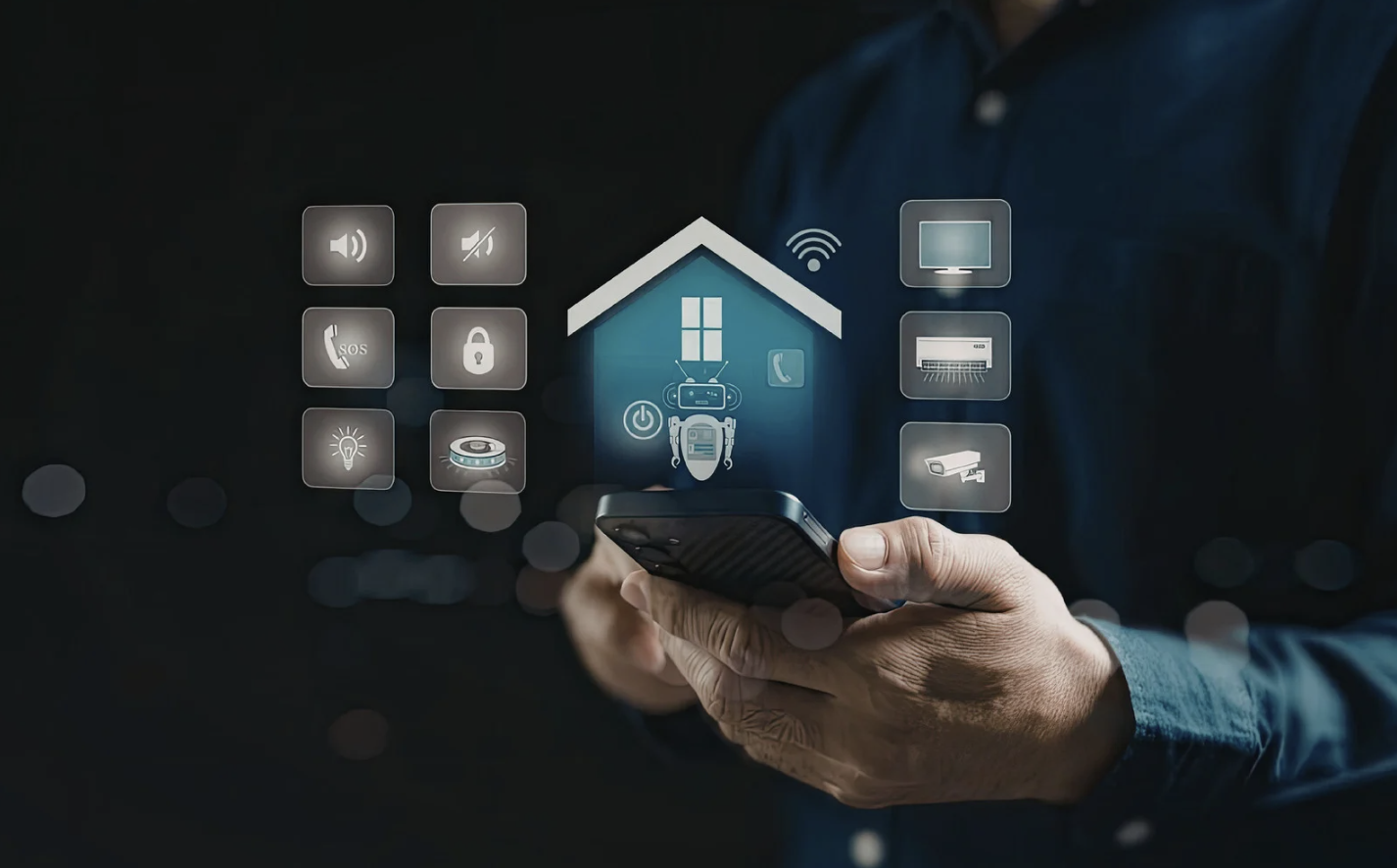
Your lights turn on when you walk in. Your thermostat adjusts itself. Your doorbell recognizes familiar faces. Smart homes are incredibly convenient—but they’re also quietly collecting a detailed portrait of your daily life. And that information is far more valuable than most people realize.
Your Daily Life, Digitally Mapped
Smart devices don’t just respond to commands—they observe patterns. Your thermostat knows when you wake up and leave for work. Smart locks track when doors open and close. Voice assistants log questions, reminders, and even casual conversations. Security cameras capture footage of visitors, packages, and routines.
Individually, these data points seem harmless. Together, they create a timeline of your habits: when you’re home, when you’re away, who lives with you, and even when you go on vacation. That’s gold for cybercriminals.
Why Hackers Care About Your Smart Devices
Hackers aren’t always after flashy bank logins. Increasingly, they want context—information that helps them impersonate you, predict your behavior, or find the easiest moment to strike.
Smart home data can fuel:
- Targeted phishing scams (“We noticed suspicious activity while you were away last weekend…”)
- Account takeovers using personal details gathered from device profiles
- Physical security risks, like knowing when the house is empty
- Identity theft, where small details help bypass security questions
Even something as simple as a smart speaker’s name (“Living Room Echo – Sarah’s Account”) can provide clues.
Weak Links in a Smart Chain
Many smart devices prioritize ease of use over strong security. Outdated firmware, default passwords, and unsecured Wi-Fi networks are common issues. Once one device is compromised, hackers can sometimes pivot to others on the same network—phones, laptops, even work devices.
Recent trends show attackers using automated tools to scan for vulnerable smart devices, especially cameras, routers, and doorbells. If it’s connected to the internet, it’s a potential entry point.
It’s Not Just About Data—It’s About Trust
Smart homes blur the line between digital and physical life. When a device is compromised, it can feel deeply personal. Seeing a hacked baby monitor or unauthorized camera access isn’t just a tech problem—it’s a violation of privacy and safety.
That emotional toll is becoming a bigger part of the conversation around smart home security and identity protection.
How to Stay One Step Ahead
You don’t need to ditch your smart home—but you do need to be intentional.
- Change default passwords and use unique ones for each device
- Keep device firmware and apps updated
- Secure your Wi-Fi network with strong encryption
- Limit device permissions and review privacy settings
- Monitor accounts and credit for signs of misuse
Smart homes should make life easier, not riskier. The more you understand what your devices know—and how that information can be misused—the better equipped you are to protect what really matters.
Because in a connected home, awareness is just as important as convenience.
With LibertyID’s Proactive Detection, including continuous monitoring and instant alerts, you can act quickly to stop identity theft or fraud before it causes serious damage. But when identity theft strikes, people need more than a solution—they need someone they can trust. LibertyID delivers “peace of mind restoration” with every call, helping clients move from stress to strength.