
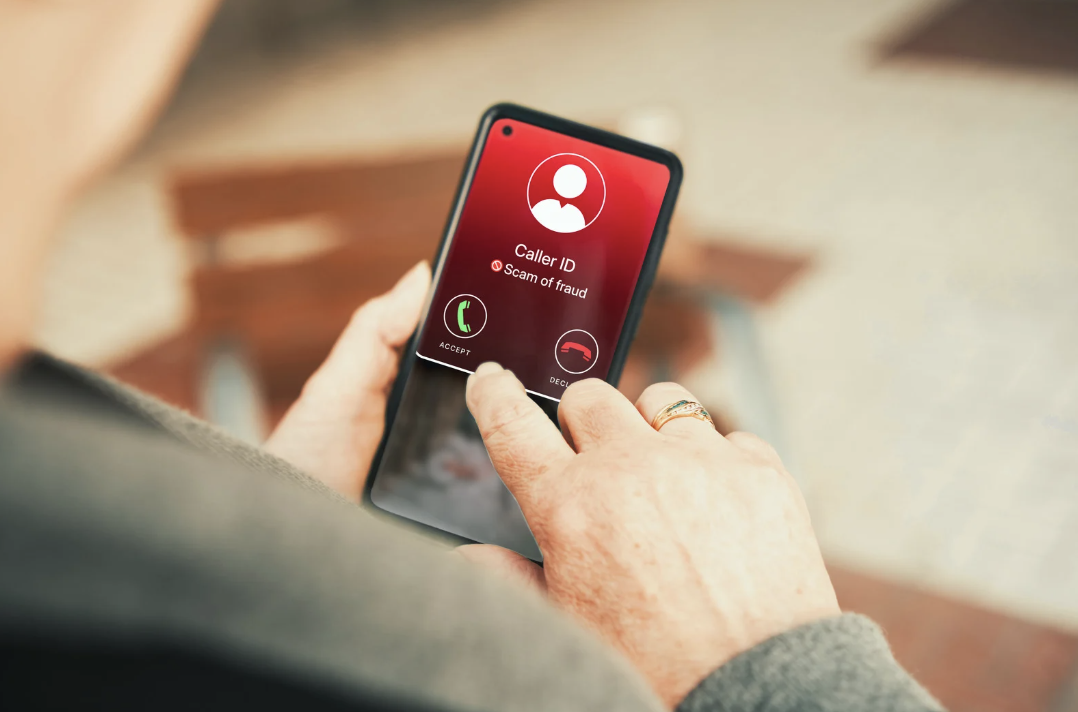
Fraud has gotten an upgrade.
Today’s scams can arrive as a convincing text from your bank, a familiar voice on the phone or a social media ad that looks every bit as polished as the real thing. Artificial intelligence and increasingly sophisticated digital tools may be changing how scams look, but many still share the same warning signs.
And knowing these signs matters. Consumers reported losing about $16 billion to fraud in 2025, according to the Federal Trade Commission—roughly 25% more than the previous year.
Here are seven consumer fraud red flags worth putting on your radar in 2026.
1. Everything Is Suddenly an Emergency
“Pay today.” “Your account will be locked.” “Your registration is about to be suspended.”
Urgency remains one of scammers’ favorite tools because it discourages you from stopping to investigate. The Consumer Financial Protection Bureau recommends slowing down when someone pressures you to act immediately.
2. The Message Is Almost Too Convincing
Poor spelling and strange emails aren’t reliable scam detectors anymore. AI can help criminals create polished messages, altered images, and even cloned voices.
That means a call that sounds like your relative—or a message that sounds exactly like your boss—still deserves verification. Contact the person through a phone number or account you already trust rather than replying directly.
3. Your “Bank” Wants You to Move Your Money
A supposed fraud department calls with alarming news: Your account has been compromised, and you need to transfer the money somewhere “safe.”
Big red flag.
Bank and business impersonation scams remain particularly costly. Some of the costliest scams begin with fake security alerts designed to convince consumers to move their own money.
4. There’s a Toll, Package or Tiny Fee You Don’t Remember
A text says you owe a few dollars for a missed toll. Another says your package can’t be delivered until you update your information.
Because the amount seems small and the message feels routine, it can be tempting to just take care of it. But fake toll and delivery messages often use low-dollar charges as bait to get you onto a phony payment page.
5. A Stranger Has an Amazing Investment Idea
Maybe it starts with a social media message, a “wrong number” text or someone you met online. Before long, they’re talking about a trading platform, crypto opportunity or investment strategy that supposedly produces unusually strong returns.
The biggest warning sign usually isn’t the investment itself—it’s the relationship around it. Be wary when someone you barely know quickly builds trust and then starts steering the conversation toward money.
6. They Tell You Exactly How to Pay
Pay with a gift card. Send cryptocurrency. Wire the money. Use this payment app. Don’t use your normal account.
When someone becomes unusually specific about how you need to send money, there may be a reason: Some payment methods can be much harder to reverse once the money is gone.
Legitimate businesses may offer different ways to pay. Scammers are more likely to insist on the method that works best for them.
7. Someone Offers to Recover Money You Already Lost
Unfortunately, getting scammed can make you a target twice.
So-called recovery scams target previous fraud victims with promises to retrieve stolen money—for an upfront fee, of course. AARP includes recovery scams among the major fraud threats to watch in 2026.
The Best Fraud Detector? A Pause.
Scams will keep changing. Deepfakes will improve. Messages will become more personalized. New schemes will replace old ones.
But pressure, secrecy, strange payment requests, and unsolicited demands for money or personal information remain powerful warning signs.
When something feels off, don’t let the sender set the pace. Stop, verify independently and protect your information before you click, pay or respond.
Detect it early. Restore it fully. Never face it alone.