
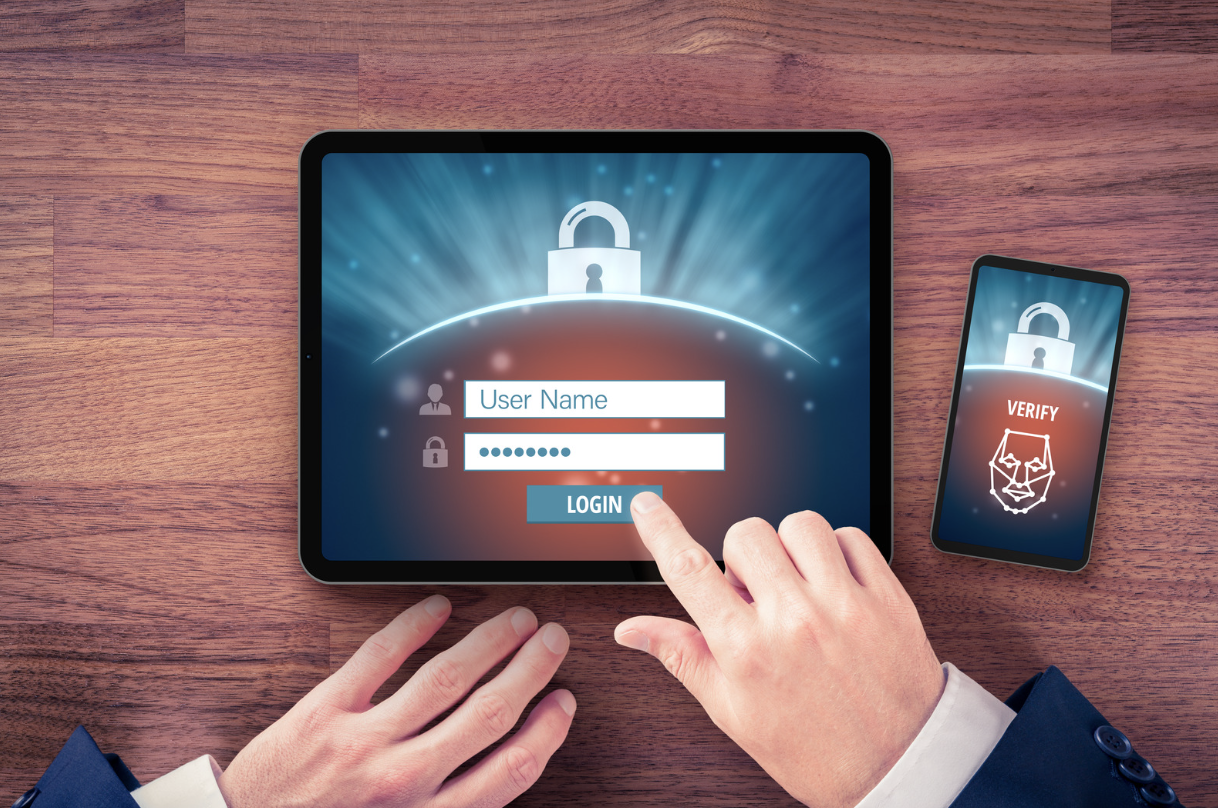
Multi-factor authentication (MFA) has become a cornerstone of business cybersecurity, adding an important layer of protection beyond traditional passwords. But as more organizations adopt MFA, cybercriminals are finding new ways around it.
While MFA remains essential, treating it as a complete security solution can leave businesses vulnerable to sophisticated identity-based attacks. Understanding its limitations is the first step toward building stronger defenses.
How Cybercriminals Are Getting Around MFA
MFA makes unauthorized access significantly more difficult, but not every authentication method provides the same protection.
For example, text-message verification codes can be intercepted through SIM-swapping attacks, while criminals can exploit push-notification systems by repeatedly sending authentication requests until a frustrated or distracted employee approves one. Even certain authenticator apps remain vulnerable to phishing schemes designed to steal verification codes.
According to the Cybersecurity and Infrastructure Security Agency (CISA), these vulnerabilities make phishing-resistant MFA methods, such as FIDO security keys, a stronger choice for businesses. The takeaway? Implementing MFA is important, but choosing the right authentication method is equally critical.
The Human Element Remains a Vulnerability
Not every MFA bypass requires sophisticated technology. Sometimes, manipulating an employee or IT support representative is enough.
Cybercriminals may impersonate legitimate employees, fabricate urgent access problems or convince help desk personnel to reset authentication credentials.
A 2025 Palo Alto Networks Unit 42 report described an incident in which attackers obtained domain administrator privileges in under 40 minutes without deploying malware.
More recently, Okta Threat Intelligence reported growing attacks involving fraudulent MFA enrollments and password resets. These findings highlight an important distinction: securing the login process means little if account recovery procedures remain vulnerable.
The Danger of a False Sense of Security
One of the biggest risks of over-relying on MFA is organizational complacency.
Businesses may assume that successfully authenticated users are legitimate, overlooking warning signs such as unusual account behavior, suspicious access requests or excessive permissions.
Meanwhile, compromised sessions and malicious third-party applications can create opportunities for attackers to operate within seemingly authenticated environments.
The challenge isn’t simply preventing unauthorized logins. It’s recognizing when apparently legitimate access becomes a threat.
Building a Stronger Identity Security Strategy
Businesses should approach MFA as one component of a broader identity security framework.
Phishing-resistant authentication, including FIDO2 security keys and passkeys, can provide stronger protection against credential phishing and interception attacks.
Organizations should also strengthen help desk verification procedures, monitor suspicious account activity, limit unnecessary access privileges and regularly review authentication settings.
Equally important is preparing for identity-related incidents before they occur. Having established response and restoration procedures can help businesses contain compromised accounts and reduce operational disruption.
MFA Is the Starting Point, Not the Finish Line
Multi-factor authentication remains one of the most valuable safeguards against unauthorized access. But evolving attack techniques demonstrate why businesses cannot afford to rely on it exclusively.
A comprehensive identity security strategy combines stronger authentication, continuous monitoring, employee education and effective incident response.
Ultimately, protecting business identities requires more than verifying who’s logging in. It means maintaining confidence in who has access, what they’re doing and how quickly suspicious activity can be addressed.
LibertyID Business Solutions offers customer information security protocols, information security training, third-party vendor management, and post-breach response services—helping businesses protect consumer data and meet the FTC Safeguards Rule and state compliance requirements. The package also includes our gold-standard identity fraud restoration services for employees and their families.